The Code of Independence: The 2026 Digital Labor Codes and Remote-First Startups
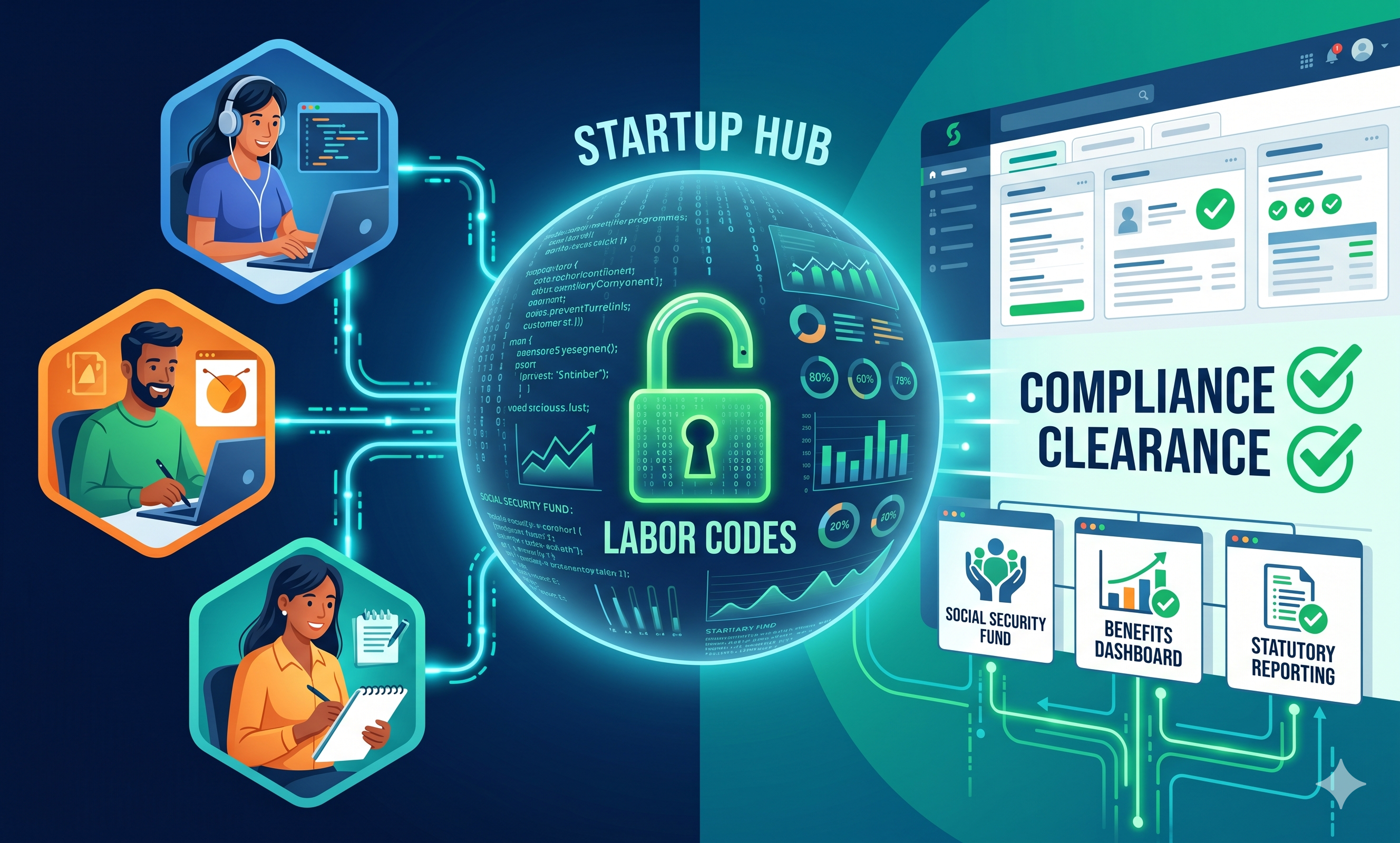
The post-pandemic shift to remote-first work was initially a temporary fix that became a strategic choice for many Indian startups. In 2026, the landscape has stabilized, but a significant regulatory hurdle has emerged: the full implementation of the Four Labor Codes (Wages, Industrial Relations, Social Security, and Occupational Safety). For startups that operate without a fixed geographic headquarters and rely on a distributed workforce, the new codes present a major compliance and operational challenge.
The primary friction point is the classic employment question: are these remote workers employees, or are they independent contractors? Startups, seeking agility, often prefer the flexibility of engagement that independent contractor status provides. The Digital Labor Codes, however, have significantly tightened the definitions and tests used to make this determination.
Misclassification Risk and The "Control" Test
The new codes establish a strong presumption of employment. The 'right to control' remains the cornerstone test. Factors such as whether the startup dictates working hours, provides equipment, requires exclusivity, manages performance, or integrates the worker into core business functions all point toward an employee-employer relationship, regardless of the contract’s title.
If a startup misclassifies an individual as an independent contractor, the consequences are severe. In 2026, regulatory bodies use advanced data cross-referencing—linking EPFO (Employee Provident Fund Organization) data, MCA (Ministry of Corporate Affairs) filings, and Income Tax ITRs—to automatically detect inconsistencies. A startup found misclassifying workers can be held liable for years of unpaid social security contributions (EPF, ESI), back taxes, interest, and substantial penalties. This single oversight can destabilize a startup’s entire financial structure and derail future funding rounds.
Accessing the "Gig Worker" Middle Ground
The Four Labor Codes are not merely punitive; they also formally recognize the digital gig economy. For the first time, 'Gig Workers' and 'Platform Workers' are explicitly defined and provided with a framework for basic social security benefits, to be funded by a social security fund.
This creates a viable "middle ground" for remote-first startups. If the engagement is genuinely flexible—lacking strict control, allowing multiple clients, and paying on a project-by-project basis—the individual may fall into the Gig Worker category. This allows startups to maintain essential flexibility while ensuring a structured, compliant engagement. It also provides gig workers with essential protections without burdening startups with the full administrative and financial weight of traditional employment contracts.
Compliant by Design: Structured Remote Engagement
For a remote-first startup, compliance cannot be an afterthought. The entire organizational design must be 'compliant by design' in 2026. This requires a proactive, strategic approach to workforce management.
Startups must conduct a thorough "audit of engagement." Every role must be formally analyzed against the labor code definitions. This is not a one-time exercise; it must be revisited as roles and business needs evolve. Startups must also invest in digital payroll and compliance tools that automate social security contributions, tax withholdings, and statutory reporting, seamlessly managing both employee and gig worker streams. A clean, verifiable record of compliance with the new labor codes is rapidly becoming as essential a metric for VC investors as user growth or revenue, signifying a startup’s fundamental operational maturity and long-term viability.